
ARTICLES
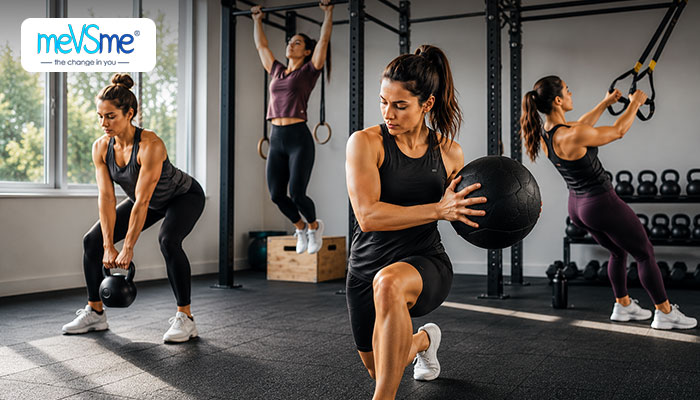
Functional Training For Beginners: Build Everyday Strength
Fitness isn’t just about looking strong in the gym; it’s about feeling strong in everyday life. From carrying groceries and climbing stairs to improving posture and reducing body pain, the way your body moves matters more than most people realise. That’s why more people are turning to functional strength training classes to build practical, real-life strength instead of focusing only on appearance. Unlike traditional workouts that isolate muscles, functional training helps your entire body work together through natural movement patterns. Whether you’re completely new to fitness or looking for a smarter way to train, functional training can help you move better, feel stronger and build confidence in everyday activities.
Let’s explore how beginners can get started with functional training the right way.
What Is Functional Training?
Functional training is a style of exercise designed to improve the way your body performs everyday activities. Instead of focusing only on appearance or isolated muscles, it trains multiple muscle groups together through natural movement patterns.
These movements often include:
Squatting
Pushing
Pulling
Rotating
Carrying
Lunging
Bending
The goal is to make your body stronger and more efficient during real-life activities.
For example, a squat movement helps you sit down and stand up more easily. Carry exercises improve your ability to lift and carry objects safely. Core-focused exercises improve posture and stability during daily movement.
Functional training teaches your muscles to work together rather than separately.
Why Functional Strength Training Matters
Many traditional gym workouts focus only on isolated muscles. While those exercises can build muscle size, they may not always improve how your body moves in daily life.
Functional strength training focuses on total-body movement and practical strength. This creates benefits that go beyond the gym.
Key benefits include:
1. Improved Everyday Movement
Functional exercises help make everyday tasks easier, such as lifting, bending, reaching or climbing stairs.
2. Better Balance and Coordination
Since many exercises involve multiple muscle groups, your body becomes more stable and coordinated.
3. Reduced Injury Risk
Functional training strengthens stabilising muscles and improves mobility, helping reduce strain and injury during daily activities.
4. Increased Core Strength
Almost every functional movement engages the core, which improves posture and protects the lower back.
5. Better Overall Fitness
Functional workouts improve strength, endurance, flexibility and mobility all at once.
Functional Training vs Traditional Strength Training
Traditional strength training often isolates one muscle group at a time. For example:
Bicep curls target the arms
Leg extensions target the quads
Chest presses target the chest
Functional training, however, combines movements that involve several muscles working together.
For example:
Squats train the legs, core, and balance
Push-ups strengthen the chest, shoulders, arms, and core
Deadlifts improve posture, core stability, and lower body strength
This approach helps your body move more naturally and efficiently.
Best Functional Exercises for Beginners
If you’re new to functional training, start with simple foundational movements. Focus on proper form before increasing intensity or weight.
Squats
Squats strengthen the legs, glutes and core while improving lower-body mobility.
Lunges
Lunges improve balance, coordination, and leg strength.
Push-Ups
Push-ups build upper-body strength and core stability.
Planks
Planks strengthen the core and improve posture.
Deadlifts
Deadlifts train the hips, back, legs, and core while improving lifting mechanics.
Farmer’s Carries
This exercise improves grip strength, posture, and overall stability.
These movements mimic real-life actions, making them highly practical and effective.
Tips for Beginners Starting Functional Training
Starting something new can feel overwhelming, but functional strength training is beginner-friendly when approached correctly.
1. Focus on Movement Quality
Good form is more important than lifting heavy weights. Controlled movement reduces injury risk and improves results.
2. Start With Bodyweight Exercises
Master basic movement patterns before adding resistance or equipment.
3. Train Consistently
You don’t need long workouts every day. Even 30–45 minutes a few times a week can create excellent results.
4. Prioritise Mobility and Recovery
Stretching, rest, and recovery help your body move better and recover properly.
5. Progress Gradually
Increase weights, reps, or intensity slowly over time instead of rushing the process.
Common Mistakes to Avoid
Many beginners make the mistake of trying to do too much too soon.
Avoid:
Using heavy weights with poor form
Skipping warm-ups and mobility work
Comparing your progress to others
Ignoring recovery and rest days
Functional training is about building long-term strength, not quick fixes.
How Functional Training Improves Daily Life
One of the biggest advantages of functional training is how directly it improves everyday activities.
You may notice:
Better posture while sitting or standing
Easier movement throughout the day
Less stiffness and discomfort
Improved energy and endurance
Greater confidence in physical activities
As your body becomes stronger and more balanced, daily tasks begin to feel easier and less tiring.
Final Thoughts
If you’re ready to take your fitness journey to the next level, consider joining the meVSme community. Based in Kings Langley, Australia, meVSme is a supportive fitness and wellness brand dedicated to helping you become stronger, healthier, and more confident through personalised training and expert coaching. With a variety of strength training, personal training, yoga, and specialised fitness programs tailored for all ages and fitness levels, meVSme empowers individuals in a motivating environment. Take the first step towards improving your strength and overall well-being, connect with meVSme today!


© 2026 meVSme - All Rights ReservedFooter
11, 2-8 Solander Road (Solander Shopping Centre)
Kings Langley, NSW
admin@meVSme.com.au
9629 4727
0483 915 319