
ARTICLES
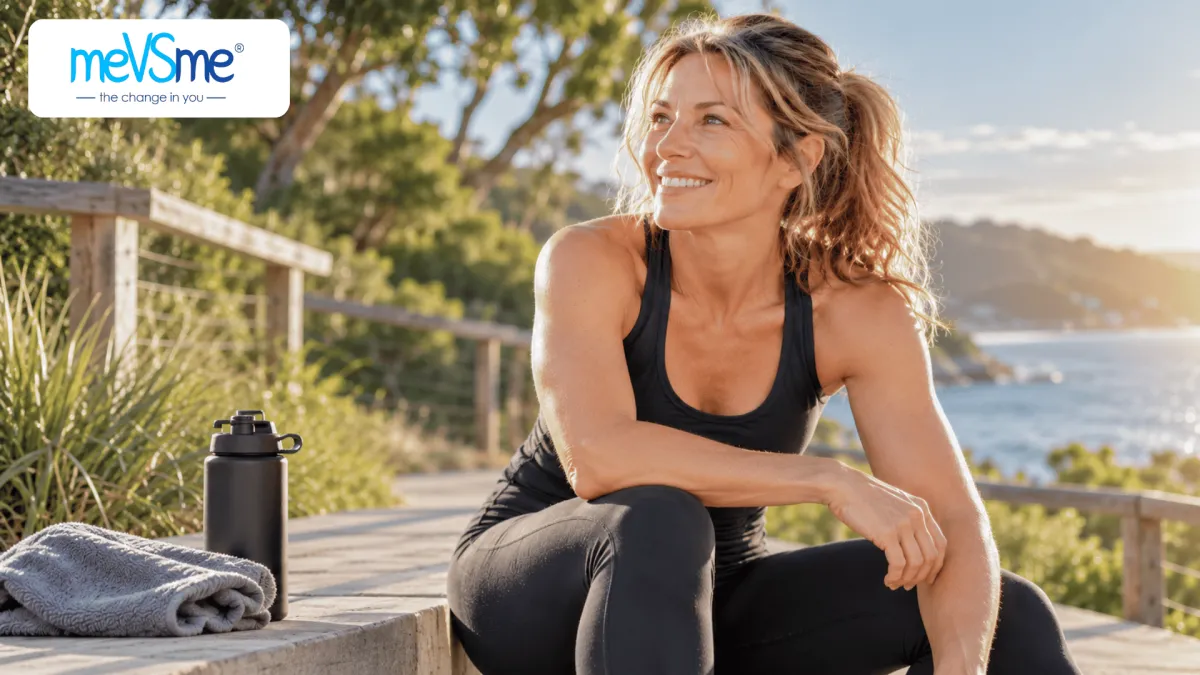
Exercise During Perimenopause: How to Move With Your Changing Body
For a long time, movement can feel like something you should be doing.
Another thing on the list. Another box to tick. Another way to try to fix yourself.
And if you're navigating perimenopause or menopause, that relationship with exercise can become even more complicated. Your energy may feel different, your sleep may be unpredictable, and your body may be changing in ways you didn't expect. Add work, family, relationships and everyone else's needs into the mix, and exercise can easily move to the bottom of the list.
But movement was never meant to be a punishment. It can be a way to reconnect with your body, build strength and start feeling like yourself again.
Why Exercise Can Feel Different During Perimenopause
Perimenopause is a time of significant change, and every woman's experience is different. You may notice changes in your energy, sleep, mood, body composition or simply how your body feels when you exercise.
Maybe you used to push through a tough workout without thinking twice, but now, after a poor night's sleep, the same workout leaves you feeling completely drained. Maybe you've noticed changes in your body that have affected your confidence, or perhaps you simply don't feel as comfortable or energetic as you once did.
That doesn't mean you've failed, and it doesn't mean you need to stop exercising. It may simply mean that your approach to movement needs to change too.
Instead of constantly asking, "How can I make myself work harder?", it can be more helpful to ask, "What does my body need from me right now?"
That small shift can change your entire relationship with exercise.
What Exercise Is Best During Perimenopause?
There isn't one perfect workout for every woman going through perimenopause. A balanced approach can include strength training, walking or other aerobic activity, mobility, flexibility and balance work.
The most important thing is finding movement that supports your health and fits into your actual life. You don't need to do everything at once, and you don't need every workout to be intense.
Strength training
Strength training can be an important part of staying active during perimenopause. It can help you maintain strength and physical function, while giving you a chance to feel more capable in your everyday life.
You don't need to start by lifting heavy weights or knowing exactly what you're doing. If you're new to strength training, you can begin with the basics, learn good movement and gradually build from there.
You don't have to be fit before you start. You simply need somewhere to start.
Walking and other movement
Walking is another simple way to stay active, particularly on days when a structured workout feels like too much. It can also be something you do with a friend, your partner or your family, making movement part of your everyday life rather than another task you have to squeeze into your schedule.
Mobility, flexibility and balance work can also complement your regular exercise routine and help you feel more comfortable and confident in the way you move.
The goal isn't to find one "perfect" exercise. It's to find movement that works for you.
What If You Don't Have Much Energy?
This is where many women can get stuck.
You don't feel energetic enough to exercise, so you don't exercise. Then you feel even more disconnected from movement, and the cycle continues.
But consistency doesn't have to mean giving 100% every time.
Some days, you might have the energy for a challenging workout. Other days, a walk, mobility session or shorter workout may be exactly what you need. The goal isn't to make every workout hard. It's to keep moving in a way that feels manageable and sustainable.
Sometimes the most effective thing you can do is simply lower the barrier to getting started. Instead of telling yourself that you need to complete a full workout, start with 10 minutes of movement. You might surprise yourself and keep going. And if you don't, you've still moved. You've still done something positive for yourself.
You don't need every workout to be your best workout. You just need to keep coming back.
How to Get Back Into Exercise After a Long Break
If you've spent years putting everyone else first, getting back into exercise can feel intimidating.
You may think you need to get fit before joining a gym. You may worry that everyone else will be stronger than you. You may not know where to start, or you may feel embarrassed that you're not where you used to be.
Start smaller than you think you need to.
Choose a routine that fits your actual life rather than the life you wish you had. If you know you can't realistically exercise five days a week, don't create a five-day plan. Start with something you can maintain and build from there.
Focus on learning good movement and becoming stronger rather than trying to exhaust yourself. Give your body time to adapt, and pay attention to how you feel as you progress.
Instead of measuring every workout by calories burned or how exhausted you felt afterwards, ask yourself:
Do I feel stronger?
Do I feel more capable?
Do everyday movements feel easier?
Am I becoming more confident?
Do I feel better after moving?
Those are meaningful signs of progress too.
Exercise and Body Confidence During Perimenopause
Nobody really prepares you for how much your relationship with your body can change.
You may look in the mirror and notice things that weren't there before. Your clothes may fit differently. Your body may feel softer, your energy may feel different and you may find yourself comparing your current body to the one you had ten or twenty years ago.
And suddenly, exercise can become another way to criticise yourself.
"I need to lose weight."
"I should be fitter."
"Why can't my body look like it used to?"
But what if the goal wasn't to get your old body back?
What if the goal was to build a stronger relationship with the body you have now?
Instead of asking, "How do I control my body?", try asking, "How can I support my body?"
Movement can be a way to care for yourself rather than another way to punish yourself. And when you start noticing what your body can do, rather than focusing only on how it looks, your confidence can begin to change too.
You Don't Have to Exercise Like You Did at 30
Maybe you used to run. Maybe you loved high-intensity classes. Maybe you could train several days a week without thinking much about recovery.
And maybe that's not what your body needs now.
That's okay.
Your 40s, 50s and 60s aren't a deadline. They're another stage of life, and your approach to movement can change with you.
You don't have to keep chasing the version of yourself you were ten or twenty years ago. You can build something new, discover activities you genuinely enjoy and create a relationship with exercise that feels supportive rather than punishing.
Falling Back in Love With Movement
Movement doesn't have to hurt to be effective. It doesn't have to leave you exhausted to be meaningful, and it doesn't have to look the way it did ten years ago.
Sometimes, falling back in love with movement means letting go of all-or-nothing thinking. It means giving yourself permission to adapt, starting with what you can manage today and remembering why you wanted to move in the first place.
Maybe you want more energy to keep up with your family. Maybe you want to feel stronger carrying the shopping. Maybe you want to feel confident walking into a room. Maybe you simply want to feel comfortable in your own body again.
Those reasons matter.
You don't need to wait until you're fitter, have more time or feel more motivated. And you certainly don't need to punish your body for changing.
Movement isn't something you earn. It's something you return to.
And when you stop using exercise as a weapon against your body, it can become one of the most powerful ways to reconnect with yourself.
How meVSme Can Help?
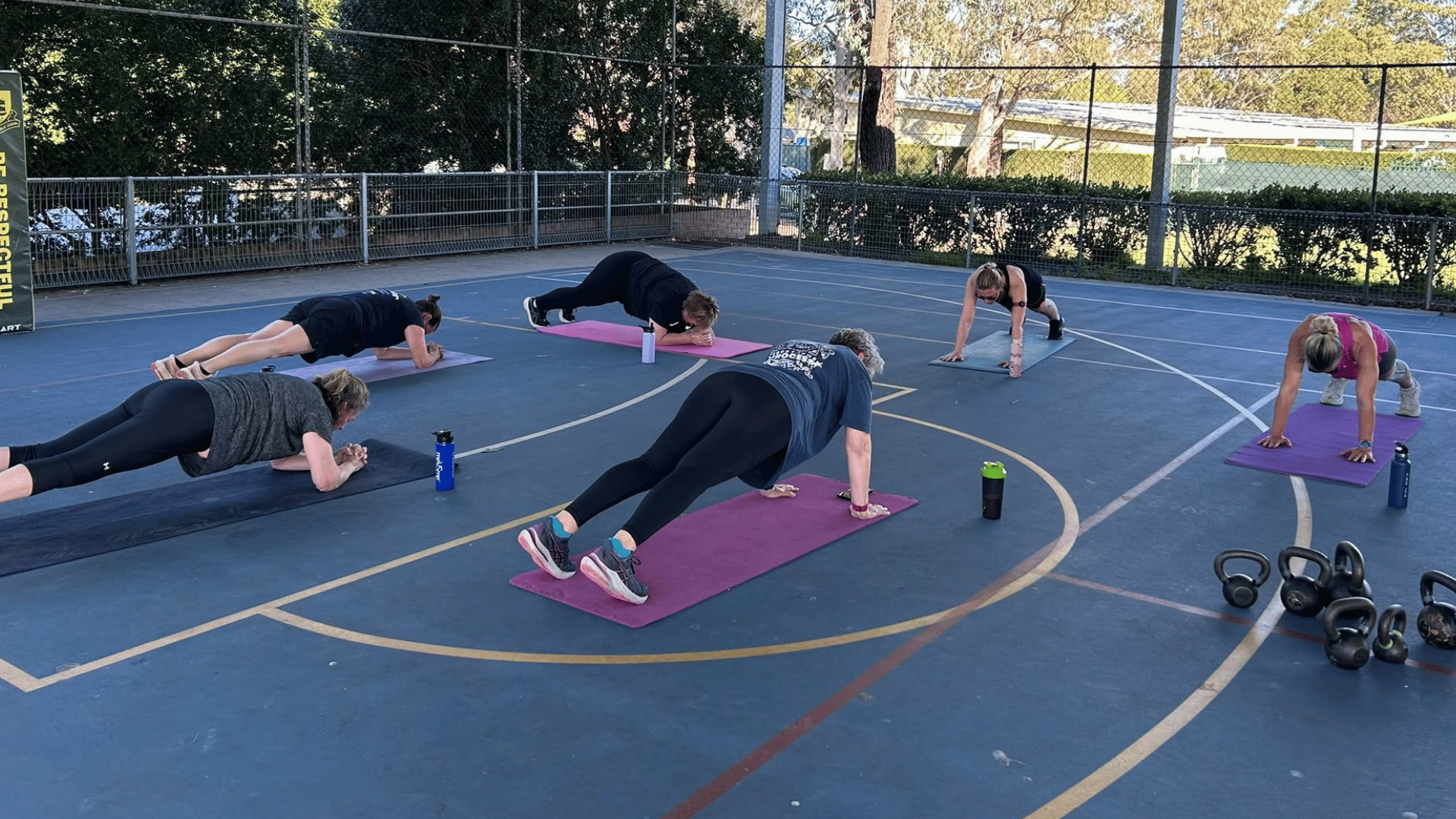
At meVSme, we believe strength training should meet women where they are — not where they think they should be.
Our approach is beginner-friendly, menopause-aware and built around creating a supportive community where women can build strength, confidence and consistency without judgement.
You don't have to be fit before you start, and you don't have to figure it all out on your own.
Ready to start moving again?
Come and experience meVSme and discover what your body is capable of.


© 2026 meVSme - All Rights ReservedFooter
11, 2-8 Solander Road (Solander Shopping Centre)
Kings Langley, NSW
admin@meVSme.com.au
9629 4727
0483 915 319