
ARTICLES
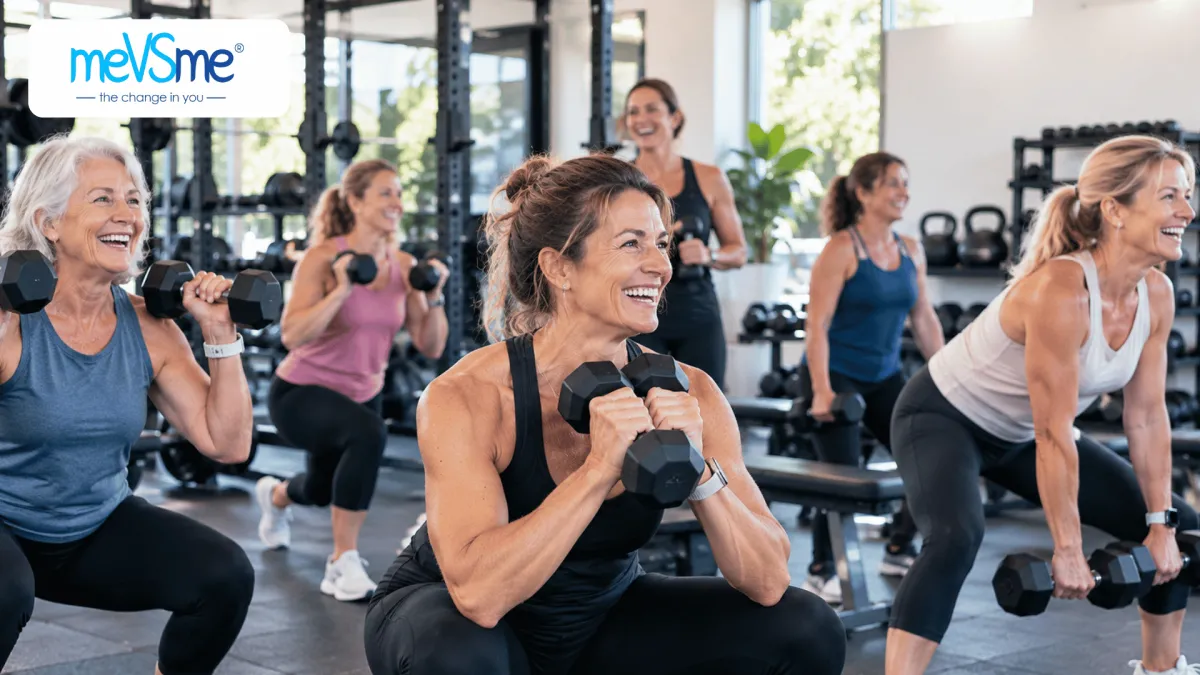
Peri and Post-Menopause Strength Training: Why Getting Stronger Matters
Menopause is a significant stage of change for your body, but it doesn't mean you have to accept becoming weaker or less capable.
As we move through perimenopause and into post-menopause, changes in hormones, muscle mass, bone health, body composition and recovery can influence the way we feel and perform. This is one reason strength training becomes such an important part of staying active through menopause.
The goal isn't to train harder simply because your body is changing. It's to train in a way that supports your body, helps you maintain strength and gives you the physical capacity to enjoy everyday life.

Why Strength Training Matters During Menopause
Muscle mass and strength naturally change as we age, and the menopause transition can contribute to changes in muscle and physical function. The Australian Government identifies muscle loss as one of the changes that can occur during menopause and recommends staying active through weight-bearing, resistance and aerobic exercise.
This is why resistance training deserves a place in your routine.
Strength training challenges your muscles to adapt and become stronger. Over time, progressive resistance training can improve muscular strength and physical function, and research in postmenopausal women has found meaningful improvements in strength following resistance training.
But this isn't just about what happens inside the gym.
Getting stronger can make everyday activities feel easier. Carrying the shopping, lifting something from the floor, climbing stairs, getting up from a chair or playing with your grandchildren all require strength.
Training for strength means building a body that can support the life you want to live.
Does Strength Training Need to Be Heavy?
You'll often hear that women going through menopause need to "lift heavy."
There is some truth behind the idea that progressive resistance is important, but heavy lifting doesn't mean you need to walk into a gym and immediately start lifting the heaviest weight you can find.
Effective strength training is about providing your muscles with an appropriate challenge and progressively increasing that challenge as your strength and confidence improve.
For someone who is new to resistance training, that might mean starting with lighter weights while learning technique and building confidence. For someone with more experience, it may involve gradually increasing the load, repetitions or complexity of an exercise.
The important part is progression.
Your training should meet you where you are and give your body a reason to adapt.
Strength Training and Bone Health
Bone health becomes particularly important during and after menopause.
Changes in oestrogen levels during menopause are associated with changes in bone health, which is one reason weight-bearing and resistance exercise are commonly recommended as part of a healthy lifestyle through this stage of life.
Strength training can place a controlled load on your body, helping support your muscles and bones as part of an overall active lifestyle.
It isn't about trying to "fight" menopause.
It's about giving your body the stimulus and support it needs to remain strong and capable.
Strength Training Isn't Just About Muscle
One of the biggest benefits of resistance training is that the results extend beyond building muscle.
Regular strength training can improve physical strength and functional capacity. Research in postmenopausal women has found improvements in both upper- and lower-body strength following resistance training.
That strength can translate into everyday confidence.
You know you can lift something.
You know you can carry your bags.
You feel more capable getting through your day.
And perhaps you start doing things you had quietly convinced yourself were no longer for you.
That's the kind of progress that doesn't always show up in a before-and-after photo, but you notice it in your life.
What About Body Composition?
Changes in body composition are another common concern during menopause.
You may notice that your body responds differently to food and exercise than it did in your 30s. You may find it harder to maintain muscle or notice changes in where your body stores fat.
Strength training can form part of a healthy approach to maintaining muscle and supporting body composition. Research has found that resistance training can improve muscle-related outcomes in postmenopausal women, although results can vary depending on the training programme and individual.
The goal, however, shouldn't be to punish your body into becoming smaller.
Building strength gives you something more valuable to work towards: becoming stronger, more capable and more confident in the body you have now.
How Often Should You Strength Train During Menopause?
You don't need to spend every day in the gym.
Australian physical activity guidelines recommend muscle-strengthening activities on at least two days each week for adults aged 18 to 64.
For women going through menopause, the Australasian Menopause Society also recommends incorporating resistance or strength training into a broader exercise routine.
The right frequency for you will depend on your experience, your current fitness level, your recovery and what else is happening in your life.
If you're new to strength training, starting with two sessions a week can be a realistic way to build consistency. From there, you can gradually increase your training as your body adapts.
You don't need to do everything at once.
Consistency is what gives your body the opportunity to get stronger.
What If You're New to Strength Training?
If you've never lifted weights before, the idea of strength training can feel intimidating.
You might worry that everyone else will know what they're doing. You might be concerned about using the wrong technique. Or you might simply think, "I'm not strong enough for the gym."
But you don't need to be strong before you start strength training.
That's the whole point.
A good programme should help you learn the movements, understand how to use equipment safely and gradually increase the challenge as you become more capable.
You can start where you are.
Then you build from there.
Train for the Woman You Are Now
You don't need to train like you did at 25.
You don't need to chase your old fitness level or punish yourself for the changes your body has gone through.
Your training can change with you.
Maybe your priorities are different now. Maybe you want to feel stronger carrying your shopping. Maybe you want to keep up with your children or grandchildren. Maybe you want to feel more confident in your body. Or maybe you simply want to stay active and capable for as many years as possible.
Those are all good reasons to get stronger.
Strength training isn't about fighting your age or fighting menopause.
It's about giving yourself the tools to move through this stage of life feeling strong, capable and supported.
Strength Has No Expiry Date
One of the most encouraging things about strength training is that you can start at almost any stage of life.
You don't have to have been lifting weights for years.
You don't have to be naturally athletic.
And you don't have to be in perfect shape before you begin.
You can start with what your body can do today and gradually build from there.
Because strength isn't something that belongs only to younger women.
Strength has no expiry date.
How meVSme Can Help?
At meVSme, we believe strength training should be accessible, supportive and appropriate for women at every stage of life.
Our training is designed to help women build strength and confidence in a supportive, menopause-aware environment, whether you're completely new to strength training or looking to take your training to the next level.
You don't need to know exactly where to start. You just need to be willing to take that first step.
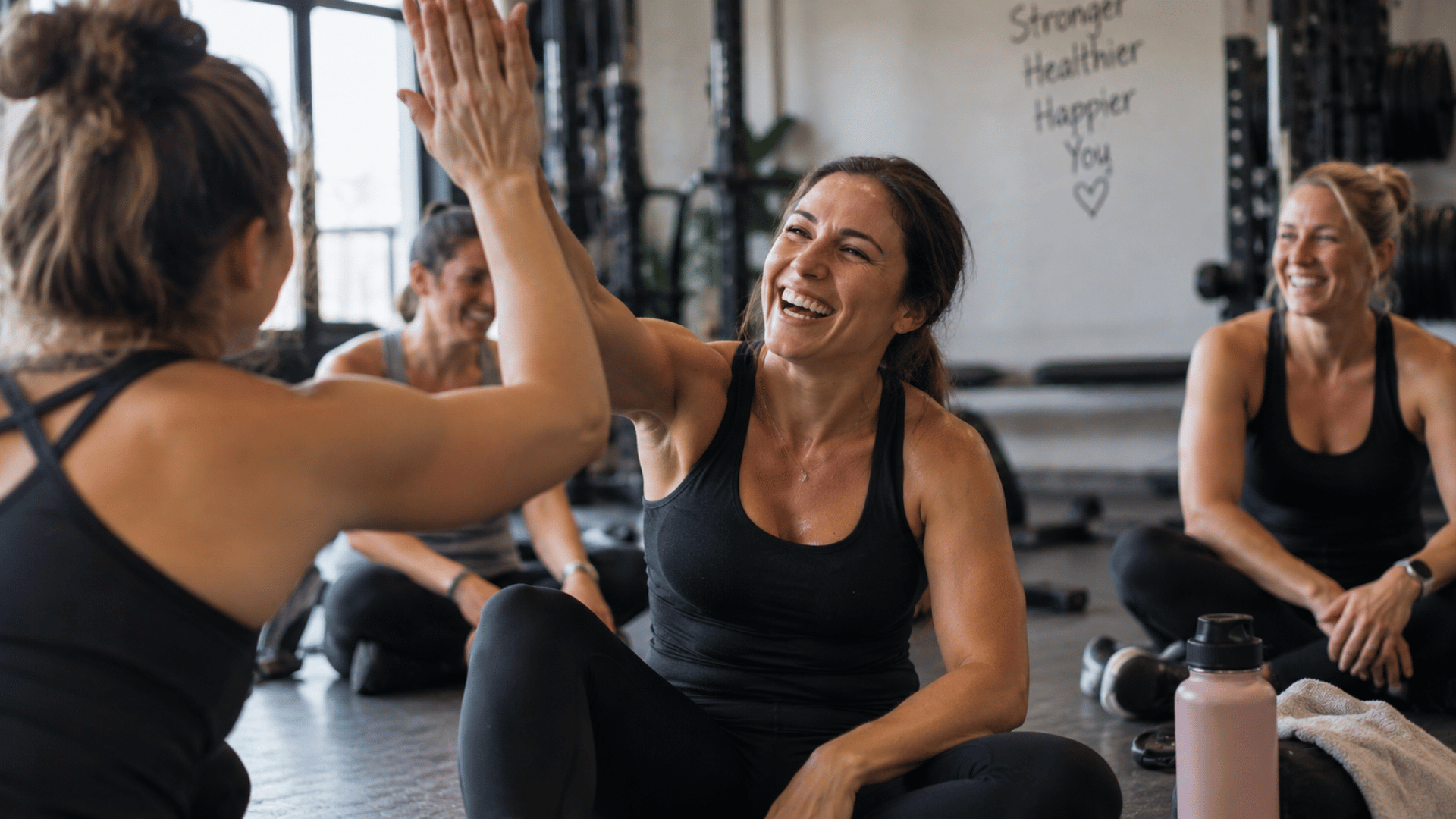
Ready to get stronger?
Talk to the meVSme coaches and discover a training approach that can support you through perimenopause, menopause and beyond.


© 2026 meVSme - All Rights ReservedFooter
11, 2-8 Solander Road (Solander Shopping Centre)
Kings Langley, NSW
admin@meVSme.com.au
9629 4727
0483 915 319